Food, Affect and the Brain Lab (FABLAB)
Research Overview
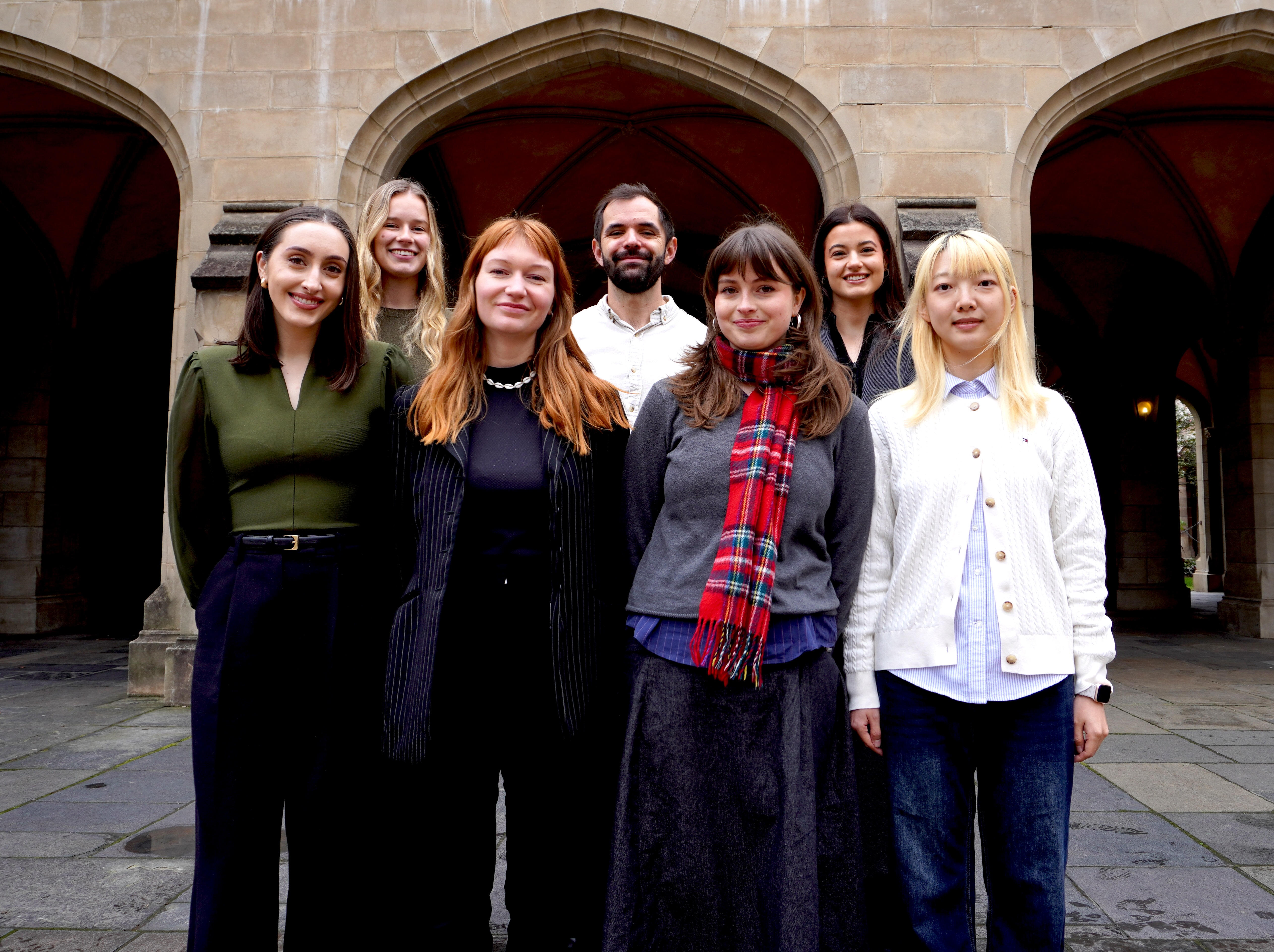
Our research spans neuroimaging, clinical trials, and psychological science to understand the brain and behavioural mechanisms that drive disordered eating. A central focus is the circuitry underlying binge eating episodes, including how stress-related neural systems govern loss-of-control eating and how these systems are altered by treatment. Our lab draws on a range of methods, including neuroimaging, real-world symptom tracking and pharmacological interventions, to examine these questions at multiple levels of analysis.
Current projects include a placebo-controlled neuroimaging study of tirzepatide in binge eating disorder. The FABLAB is embedded within the Department of Psychiatry and the Brain and Mental Health Hub at the University of Melbourne, and collaborates with researchers across Australia and internationally.
Staff
Dr Po-Han Kung

Terry is a registered psychologist and Research Fellow within the Melbourne School of Psychological Sciences and Department of Psychiatry. He researches neural mechanisms of psychological disorders and psychotherapy-related processes using ultra-high-field MRI. He is also clinical trial psychologist for the STRAND trial, providing psychological support for people experiencing binge eating.
Lucy Nathan
Ella Donaldson

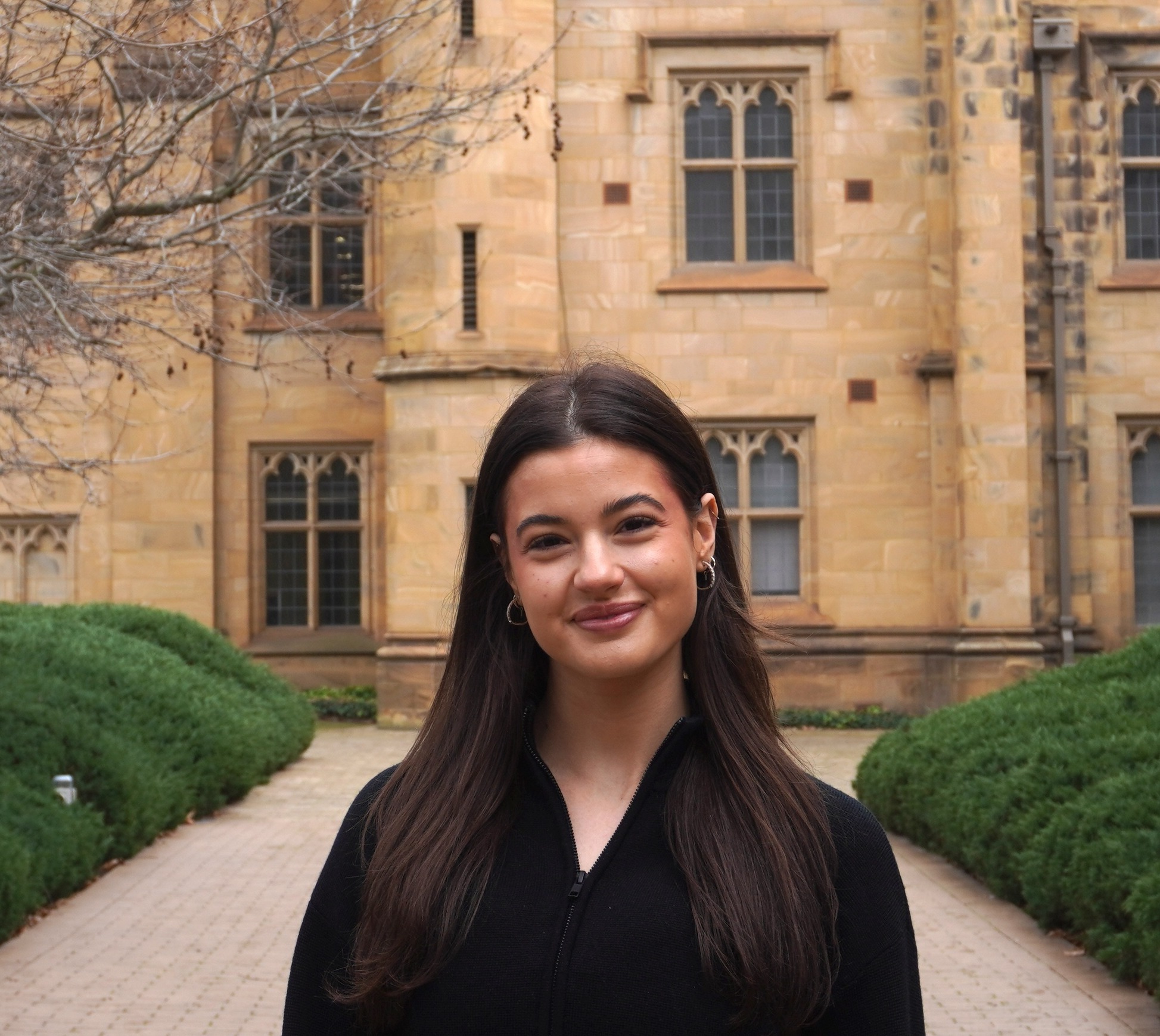
Ella is a Research Assistant and is currently completing her Honours degree in Psychology. She is directly involved in the STRAND Project, which investigates the neural and affective mechanisms through which tirzepatide may influence binge eating and related eating behaviours.
Scarlet Brisbane
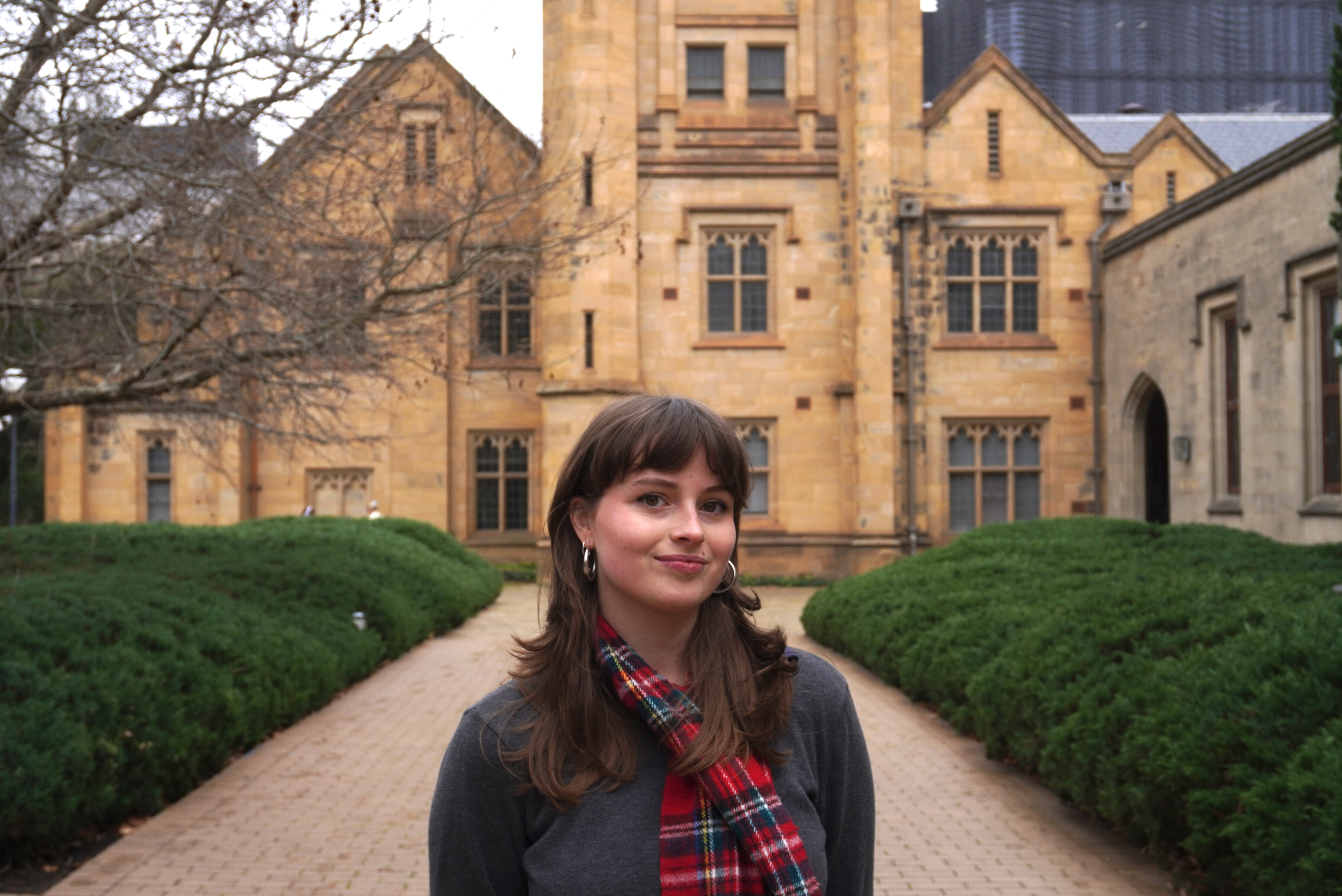
Scarlet is a Research Assistant in the Food, Affect and Behaviour Lab and has recently completed her Bachelor of Arts degree, majoring in Psychology with plans to begin an honours year in psychology next year. She is directly involved in the STRAND Project, which investigates the neural and affective mechanisms through which tirzepatide may influence binge eating and related eating behaviours.
Jeanette Chan

Students
Jessica Hoffmann
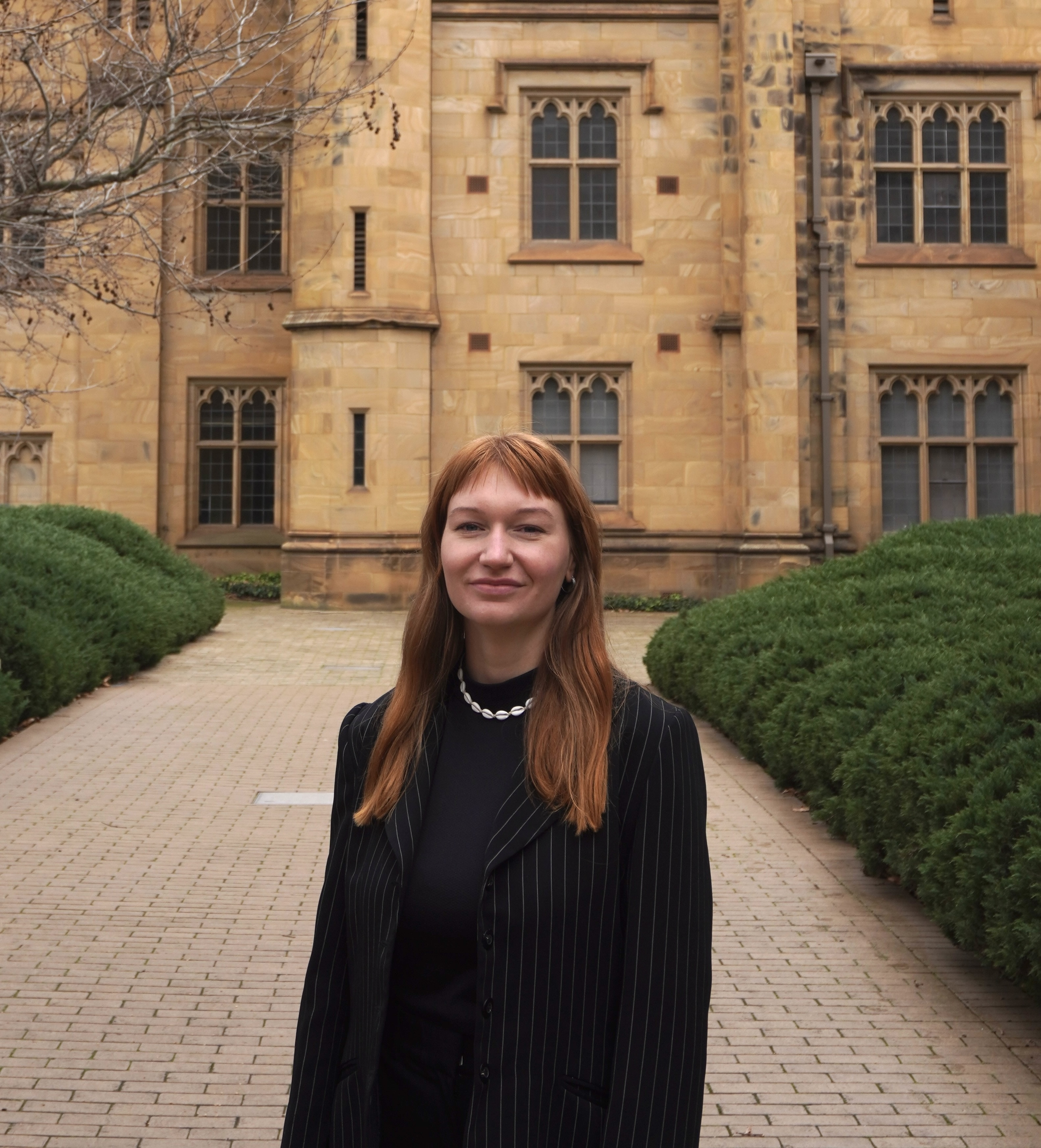
Jess is a PhD Student who investigates the neural and endocrine correlates of binge-eating behaviours. Her research focuses on the hypothalamus, examining its connectivity with other brain regions and how these patterns relate to hormone and peptide levels. She specialises in the processing and analysis of ultra-high-field 7-Tesla functional MRI data.
Georgia Tsindos
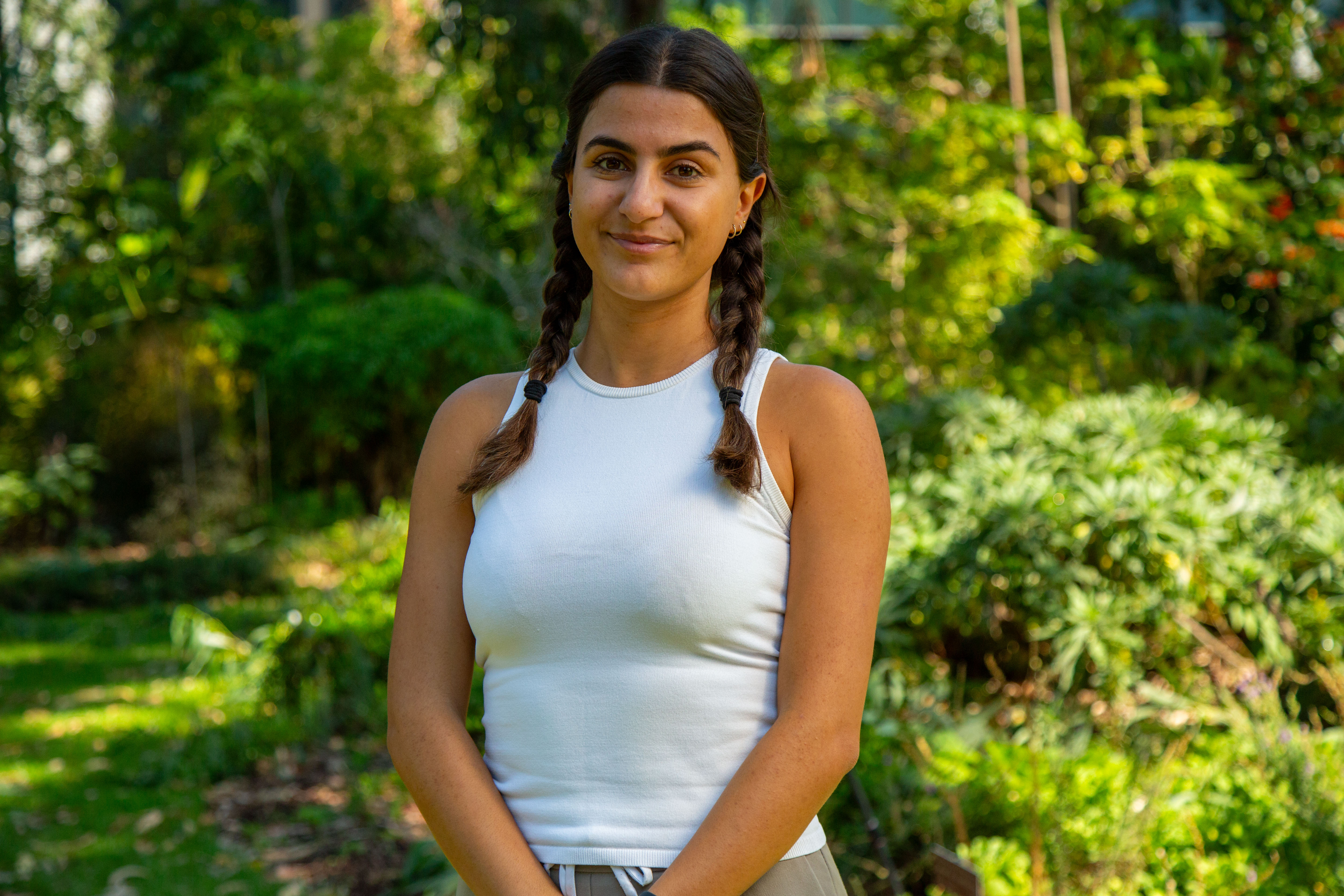
Georgia is a Masters/PhD student in clinical psychology. She has experience in conducting structured and unstructured assessments and providing treatment to individuals with a range of mental health difficulties. Her main research focuses on GLP-1 receptor agonist medication and repetitive negative thinking, emotion regulation and binge eating in individuals with binge eating disorder. She holds experience in structural equation modelling and intensive longitudinal method designs.
Xinyi Zhang

Alyona Cerfontyne

Alyona is a Master's of Neuropsychology student conducting research that examines how the insula functions in people with binge-eating disorder under stress. Using fMRI, she investigate intra-insula connectivity during a stress task, focusing on the integration of interoceptive, gustatory and gastric signals and its involvement in emotion and food-reward processing, to better understand neural mechanisms relevant to binge eating.
Mia Zelesco
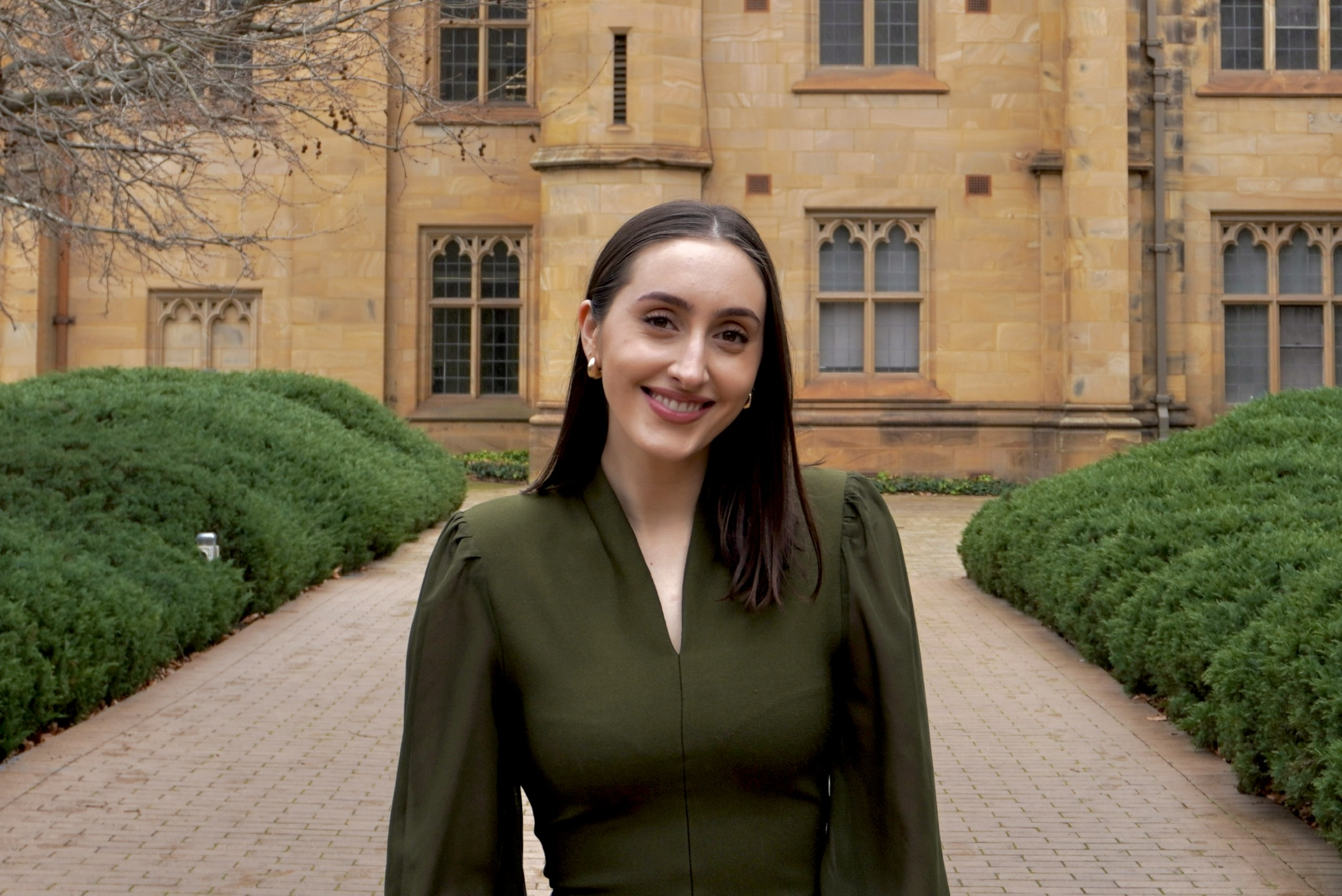
Mia is a Master's of Clinical Psychology student conducting research that explores the lived and living experiences of people with binge eating disorder who have used tirzepatide, a dual GIP and GLP-1 receptor agonist, as part of a six-month clinical trial (STRAND). Through qualitative interviews, the study will explore a variety of topics, including participants’ goals and motivations for using tirzepatide; changes in binge eating symptoms, relationship with food and body image; experiences of the different components of the clinical trial; and attitudes toward ceasing the medication.
Collaborators
- Robyn Brown
- Kim Felmingham
- Ben Harrison
- Chris Davey
- Priya Sumithran
- Orli Schwartz
- Brad Moffat
- Rebecca Glarin
- Sarah Barakat
- Tudor Sava
- Carly Beveridge
- Morgan James
- Luke Ney
Funding
Our research is supported by the National Health and Medical Research Council (NHMRC), the Medical Research Future Fund (MRFF), and the Brain & Behaviour Research Foundation (BBRF).
Research Opportunities
This research project is available to PhD students, Masters by Research, Honours students to join as part of their thesis.
Please contact the Research Group Leader to discuss your options.
Research Outcomes
Our work aims to transform how eating disorders are understood and treated by identifying the biological mechanisms that drive disordered eating and using these insights to develop more targeted, effective interventions.
Research Publications
- Bed nucleus of the stria terminalis connectivity during food cue and taste processing under stress
- Habenula contributions to negative self-cognitions
- Intolerance of uncertainty and repetitive negative thinking: transdiagnostic moderators of perfectionism in eating disorders
- Endocrinology-informed neuroimaging in eating disorders: GLP1, orexins, and psilocybin
- What are drugs like Ozempic doing to the brains of people that binge eat?