What is cognitive neuroscience?
Understanding the brain and cognition
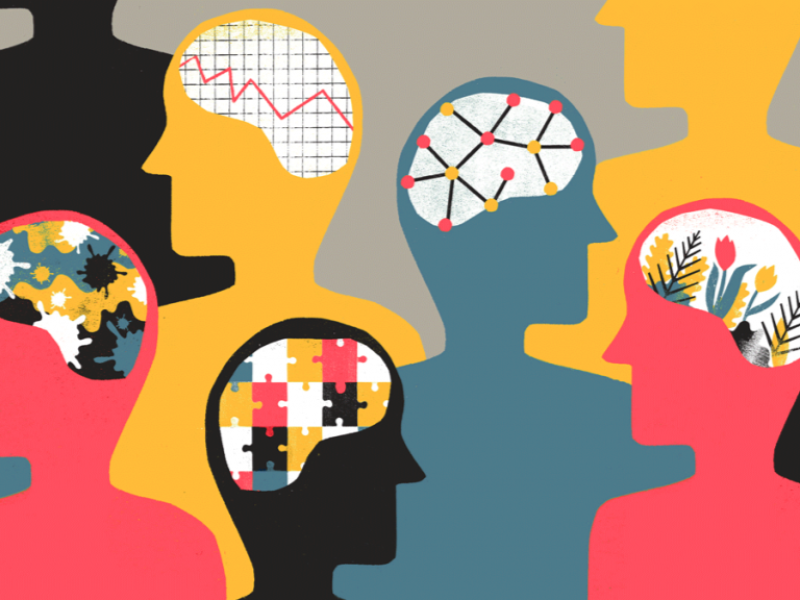
Cognitive neuroscience is the scientific study of how the brain gives rise to cognition and behaviour. It seeks to understand the biological processes that enable us to perceive the world, learn, remember, pay attention, make decisions, use language, imagine the future and interact with others.
Every moment of our lives depends on complex neural activity. Whether recognising a familiar face, recalling a childhood memory or navigating a busy street, the brain continuously integrates information from our senses with past experiences and current goals. Cognitive neuroscience aims to uncover the mechanisms that make these remarkable abilities possible, while also understanding how changes to the brain affect cognition across development, ageing and disease.

How we study the brain
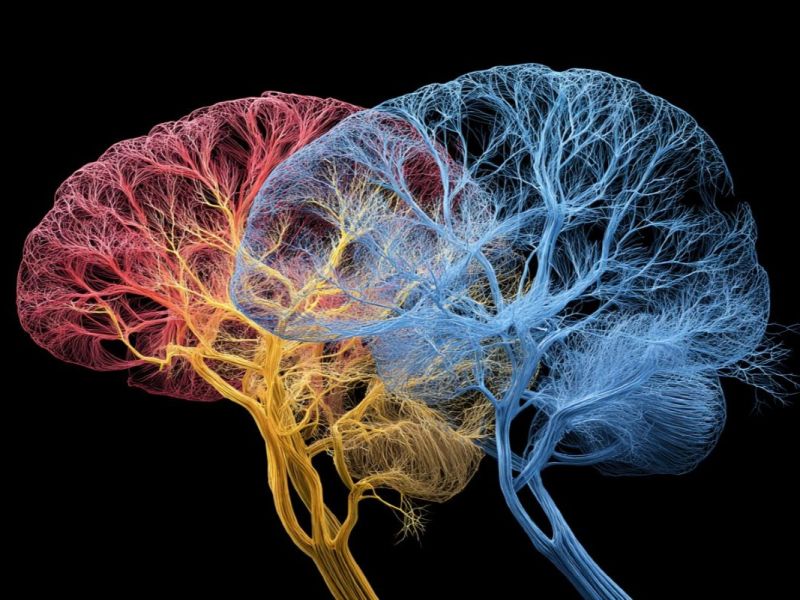
Answering these questions requires an interdisciplinary approach. Cognitive neuroscientists combine behavioural experiments with advanced technologies that allow us to observe and model brain function.
Researchers use techniques such as functional magnetic resonance imaging (fMRI), electroencephalography (EEG), eye-tracking and computational modelling to investigate how brain networks support cognition. Increasingly, artificial intelligence and data science are helping researchers analyse complex datasets, develop computational models and generate new insights into how the brain processes information.
By integrating these methods, cognitive neuroscience provides a deeper understanding of the relationship between brain activity and behaviour than any single approach alone.
Why cognitive neuroscience matters
Understanding how the brain works has implications far beyond the laboratory. Research in cognitive neuroscience contributes to improving the prevention, diagnosis and treatment of neurological, psychiatric and neurodevelopmental conditions, while also informing education, public policy and emerging technologies.
At the Cognitive Neuroscience Hub, researchers investigate fundamental questions about the brain while working collaboratively across disciplines to translate discoveries into real-world impact. By advancing our understanding of cognition, we aim to improve health, wellbeing and quality of life, while contributing to innovations that benefit society.