PsychTalks: Modern life explored by psychology experts
PsychTalks: Season 4
What happens in the brain with Ozempic? Can social media bans protect young minds? And why do food labels and fake news work so well at misleading us?
PsychTalks returns in 2025 for Season 4, with hosts Associate Professor Cassie Hayward and Professor Nick Haslam joined by leading experts from the University of Melbourne. Together, they unpack the psychology behind misinformation, power, menopause, and more – offering evidence-based insights into how we think, feel and act.

Bonus episode: Do we ever stop being curious?
We said the season was over – but when the chance to sit down with Professor Alison Gopnik comes along, you make an exception. In this bonus episode, we’re delighted to welcome one of the world’s most influential developmental psychologists for an extended conversation on how our minds grow and change over the lifespan.
Drawing on her work on children as “little scientists,” the explore–exploit dilemma and her gardener-versus-carpenter model of parenting, Alison reflects on why play, risk and exploration matter so much in childhood. We also explore caregiving as a form of intelligence – one that becomes increasingly important in later life – and what elders, grandparents and even orcas can teach us about care, culture and human flourishing.
S4E8: Shelf deception: How does marketing on packaged foods influence us?
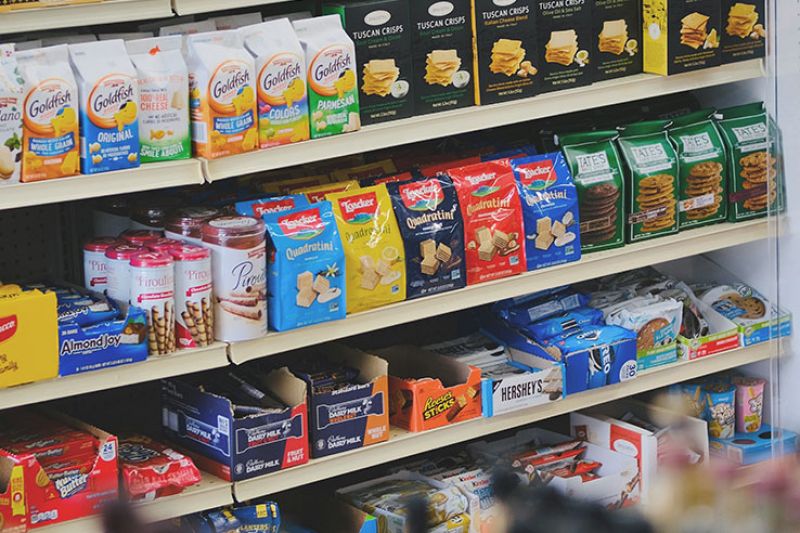
Are we really making healthy choices for our children in the supermarket? Or are we being nudged by bright colours, on-pack claims and fruit-filled imagery?
Associate Professor Helen Dixon and Jane Martin unpack the psychology, policy and packaging that influence what ends up in our shopping trolleys. They highlight the subtle strategies used to market commercial infant and toddler foods, and discuss what can be done to support parents in making informed choices.

S4E7: Why is misinformation so powerful?
Misinformation and disinformation now pose some of the biggest global risks to democracy and public trust.
Associate Professor Piers Howe explains how misinformation and disinformation spreads, and the subtle but influential ways they can shift public opinion, disrupt elections and damage society. With the rise of AI and sophisticated campaigns, he explains why it's more important than ever to stay informed, think critically and understand the science behind persuasion.
S4E6: How does power and influence shape our lives?
Want tips on how to use power and influence more effectively - whether you’re pitching an idea, leading a team, or asking your preschooler to brush their teeth? Professor Jennifer Overbeck from the Melbourne Business School unpacks what sets power apart from influence, how persuasion works, and why gender, identity and context matter.


S4E5: Can self-compassion help us better navigate menopause?
What are the mental health impacts of menopause and how are they connected with our ideas about ageing? Dr Lydia Brown shares insights from her research on self-compassion and how it can help those managing the psychological challenges of menopause.
Whether you’re approaching menopause or simply interested in evidence-based strategies for a healthy outlook on ageing, this conversation offers practical and deeply human advice for navigating change.
Resources mentioned in this episode:
S4E4: How does language shape the way we think?
What do the names of colours, kinship terms and legal jargon tell us about the human mind? Dr Frank Mollica explores language as a cognitive tool – shaped by culture, adapted for purpose, and far from universal.
We dive into how children learn language, how it evolves and why legal language is so confusing. Along the way, we challenge common assumptions about how we think, communicate and learn.


S4E3: Are some people just nicer?
Why do some people seem naturally kind or generous? Professor Luke Smillie breaks down personality traits like empathy, honesty and compassion – and how they shape behaviour. Tune into this thoughtful discussion about the ‘prosocial personality’ and discover whether people can become more altruistic over time.
S4E2: Can social media bans protect young minds?
Will the government really lock under-16s out of TikTok? Associate Professor Scott Griffiths unpacks the proposed social media ban, the psychological harms driving it, challenges around enforcement, and what parents can do to protect kids’ mental health online.

S4E1: How does Ozempic affect the brain in binge eating disorder?
Could Ozempic do more than help with weight loss? Dr Trevor Steward is uncovering the science behind what’s happening in the brain when people take drugs like Ozempic. His research queries how these medications influence appetite, food-related thoughts, and their potential to turn down the dial on binge eating disorder.
Read more in Dr Steward's article for Pursuit.
Acknowledgements
Thank you to our fantastic production team, who helped create Season 4 of the PsychTalks: Modern life explored by psychology experts podcast.
- Hosts: Cassie Hayward and Nick Haslam
- Producer: Carly Godden
- Assistant producers: Mairéad Murray, Gemma Papprill and Celia Harvey
- Sound engineer: Jack Palmer
- Music composer: Chris Falk