Evolution Lab
Welcome to the Evolution Lab at the University of Melbourne
Welcome to our research laboratory, where we explore the fascinating intersection between behavioral science and evolutionary biology to understand sexual politics. At the heart of our work lies the fundamental question of how our evolved biology shapes our social behavior, particularly in the realm of human mating and reproduction. By employing cutting-edge tools and methodologies from these fields, we strive to uncover the underlying mechanisms driving sexual conflict, cooperation, and power dynamics between the sexes.
Featured content
News and Media Coverage
People in the Lab
We are an active research group comprising post-doctoral research fellows, PhD candidates, Masters of Psychology students, Honours of Psychology students, and Research Assistants. Here are some of our core people.
Dr Khandis Marinko
Melbourne School of Psychological Sciences
khandis.marinko@unimelb.edu.au +61390355733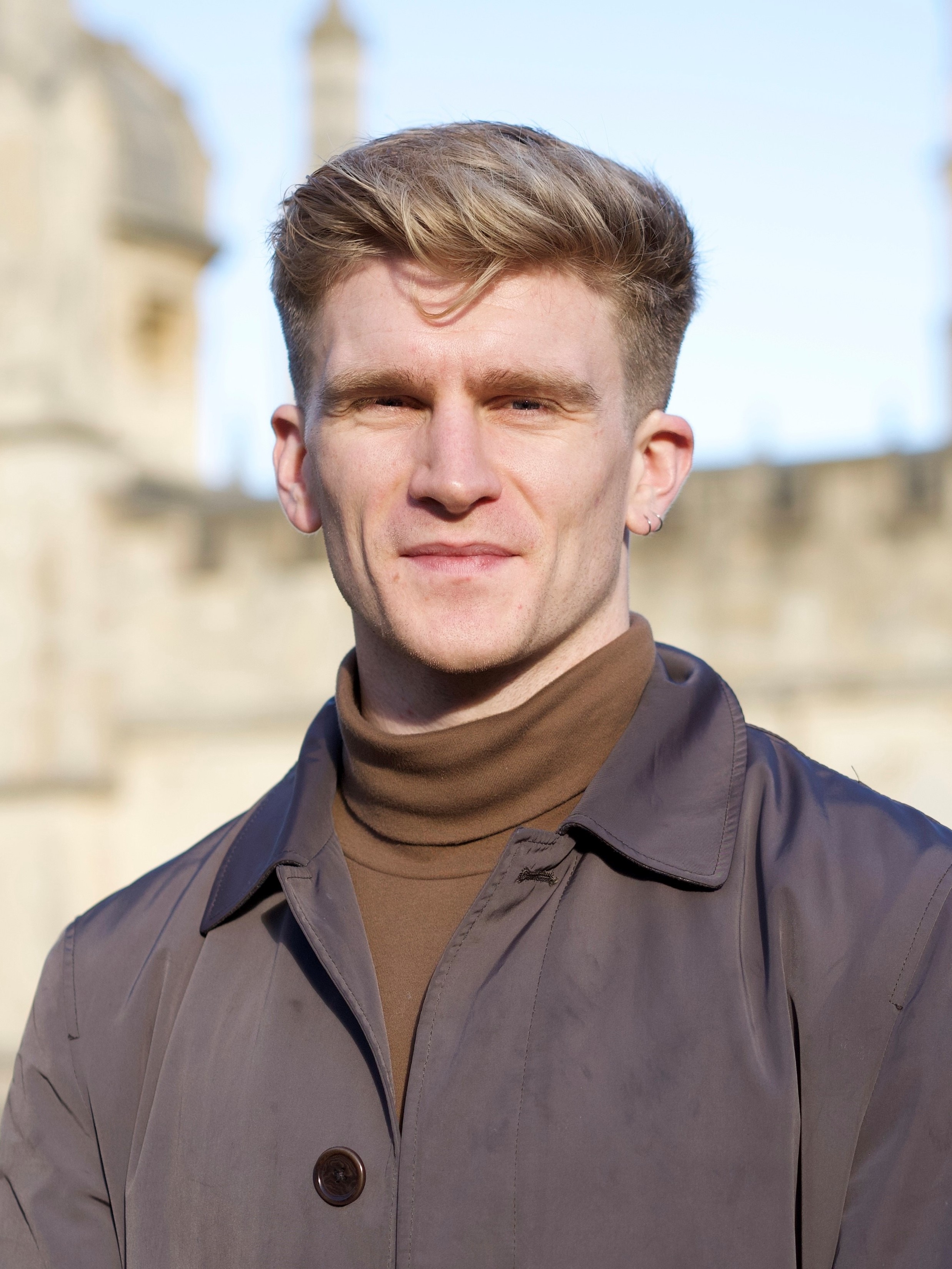
Macken Murphy
Mating behaviour, mate value, inequality, infidelity
mackenm@student.unimelb.edu.au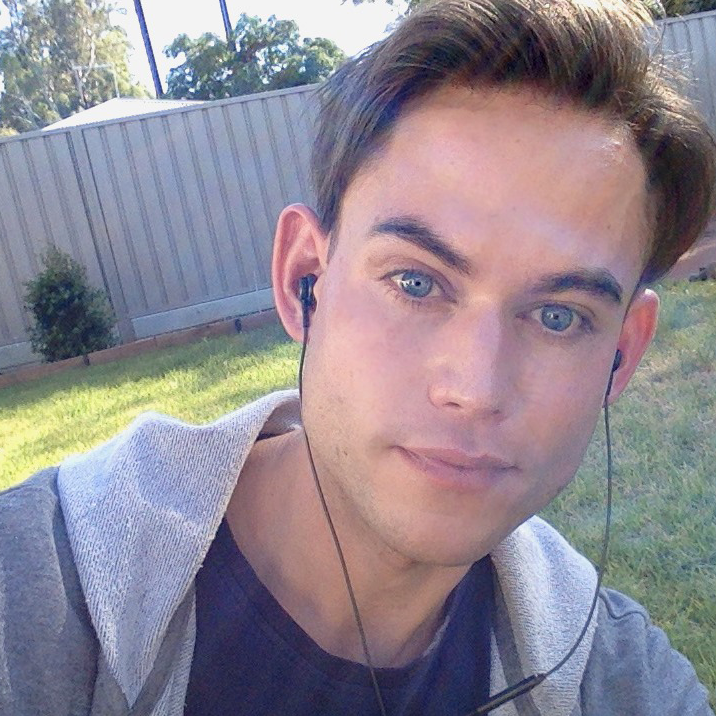
Mark Leak
Intimate partner violence, female-perpetrated aggression, mate retention strategies, mate-switching dynamics, agent-based modelling, trait antagonism
mleak@student.unimelb.edu.au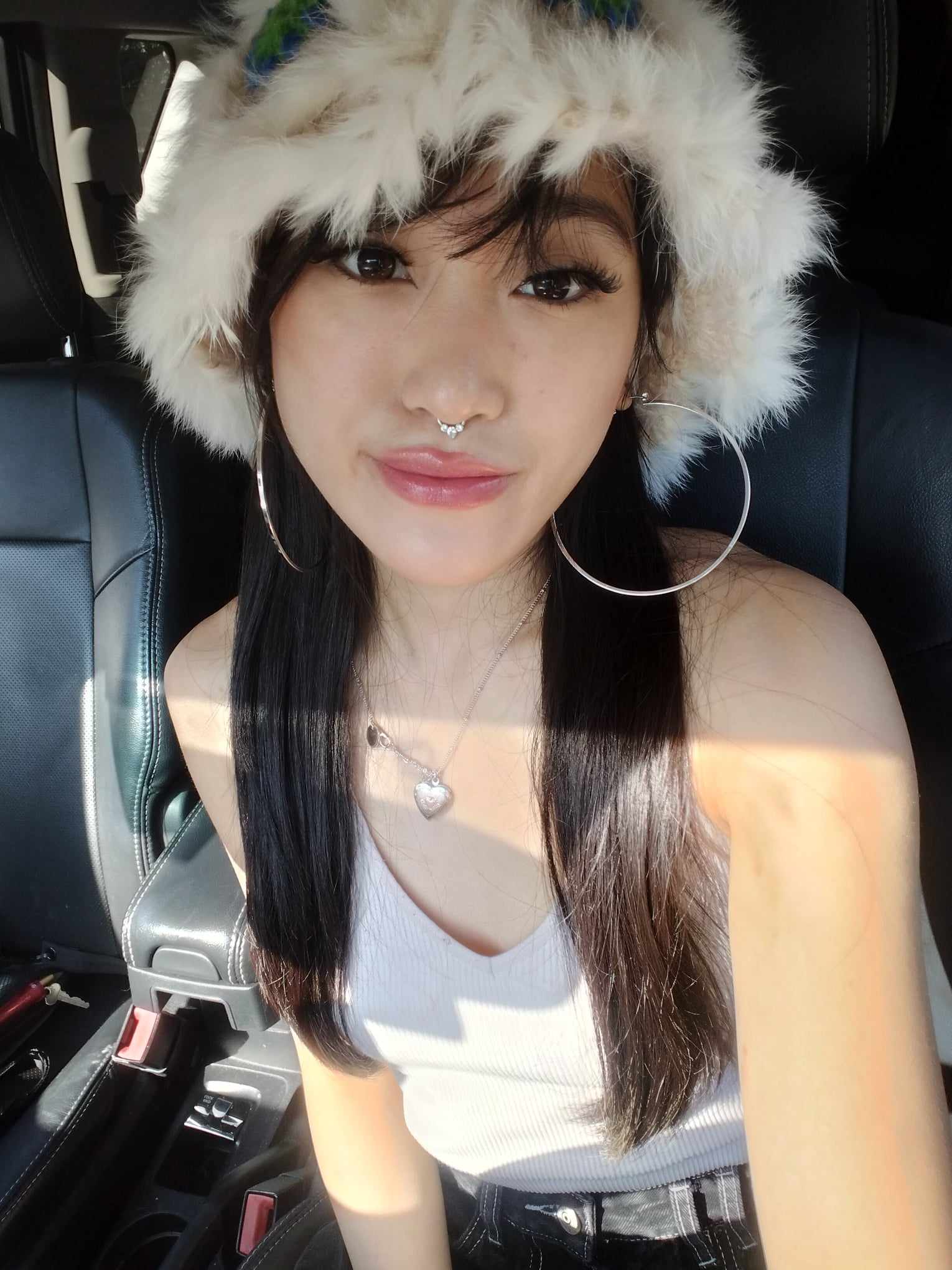
Wen Chen
Residence patterns and kinship, childhood environments, mental health, cultural evolution
wchen6@student.unimelb.edu.au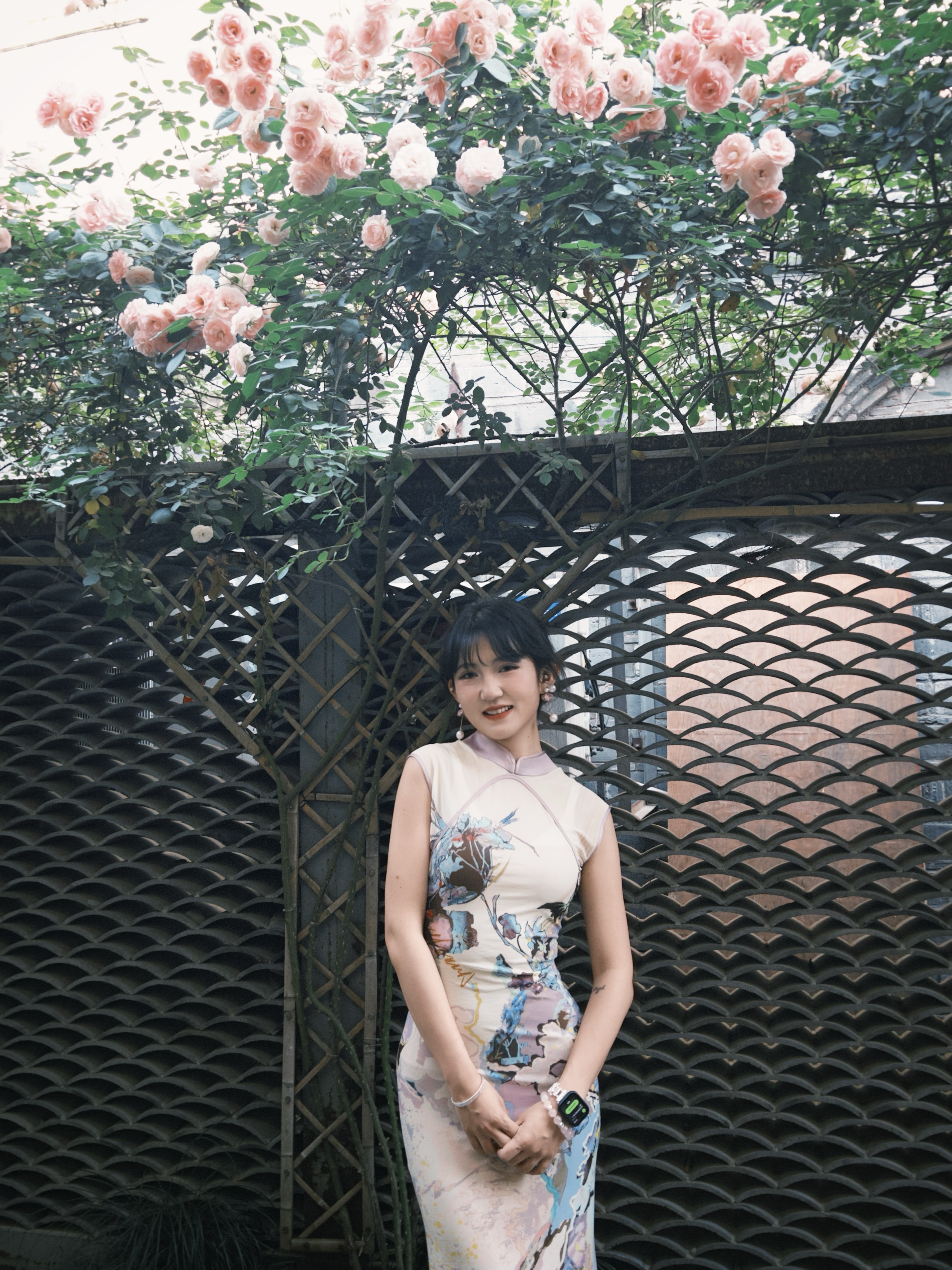
Ruijie Xu
Kinship system, mating strategies, fertility desire, romantic relationship
ruijie.xu.1@student.unimelb.edu.au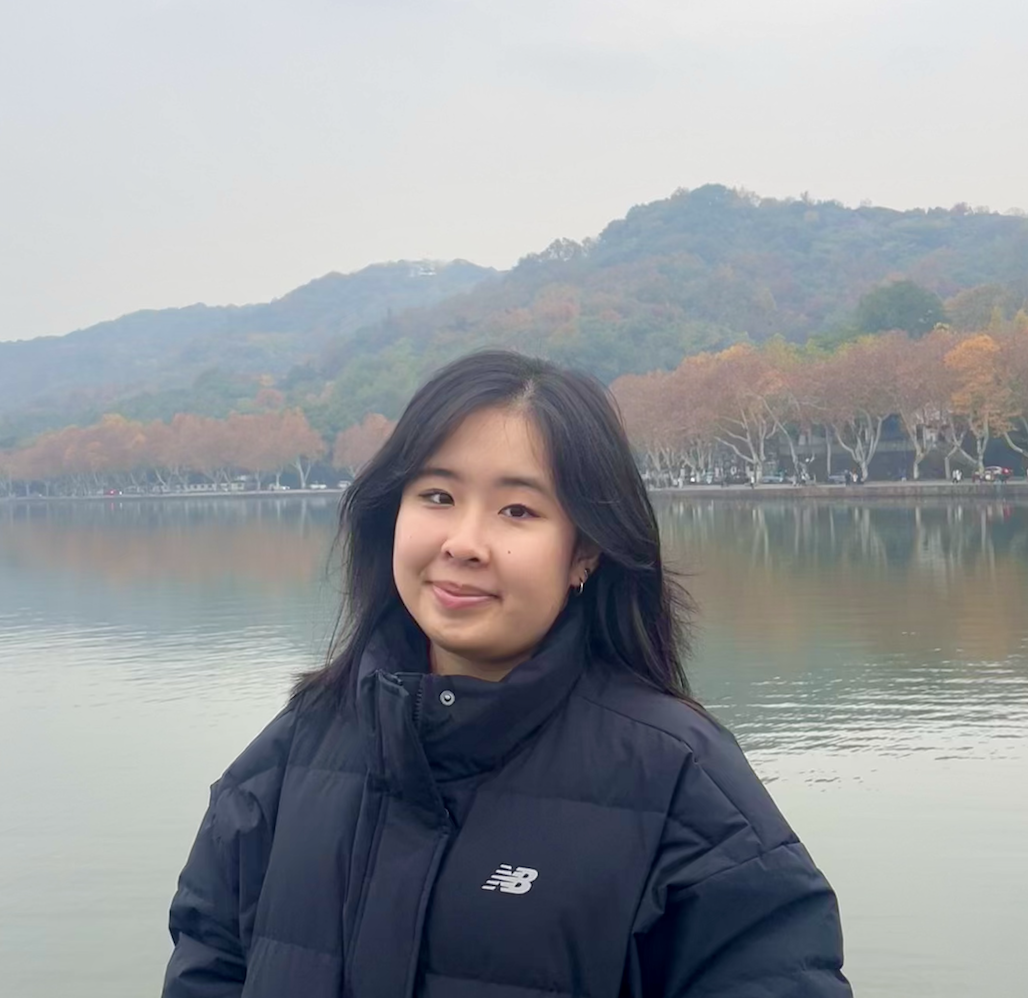
Emma Huang
culture, cultural logics, self-worth, language, inequality, gender roles
emma.huang1@student.unimelb.edu.au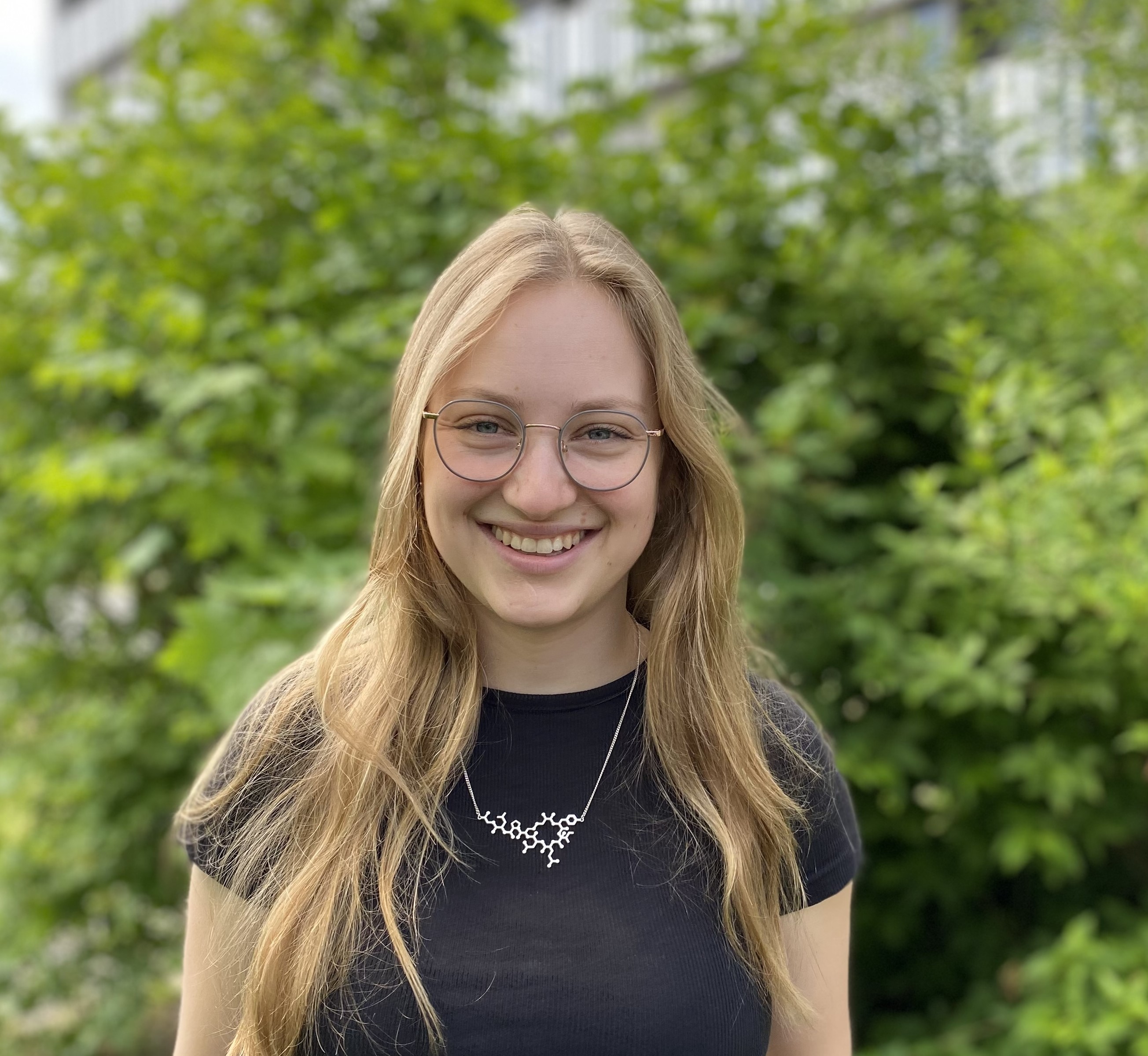
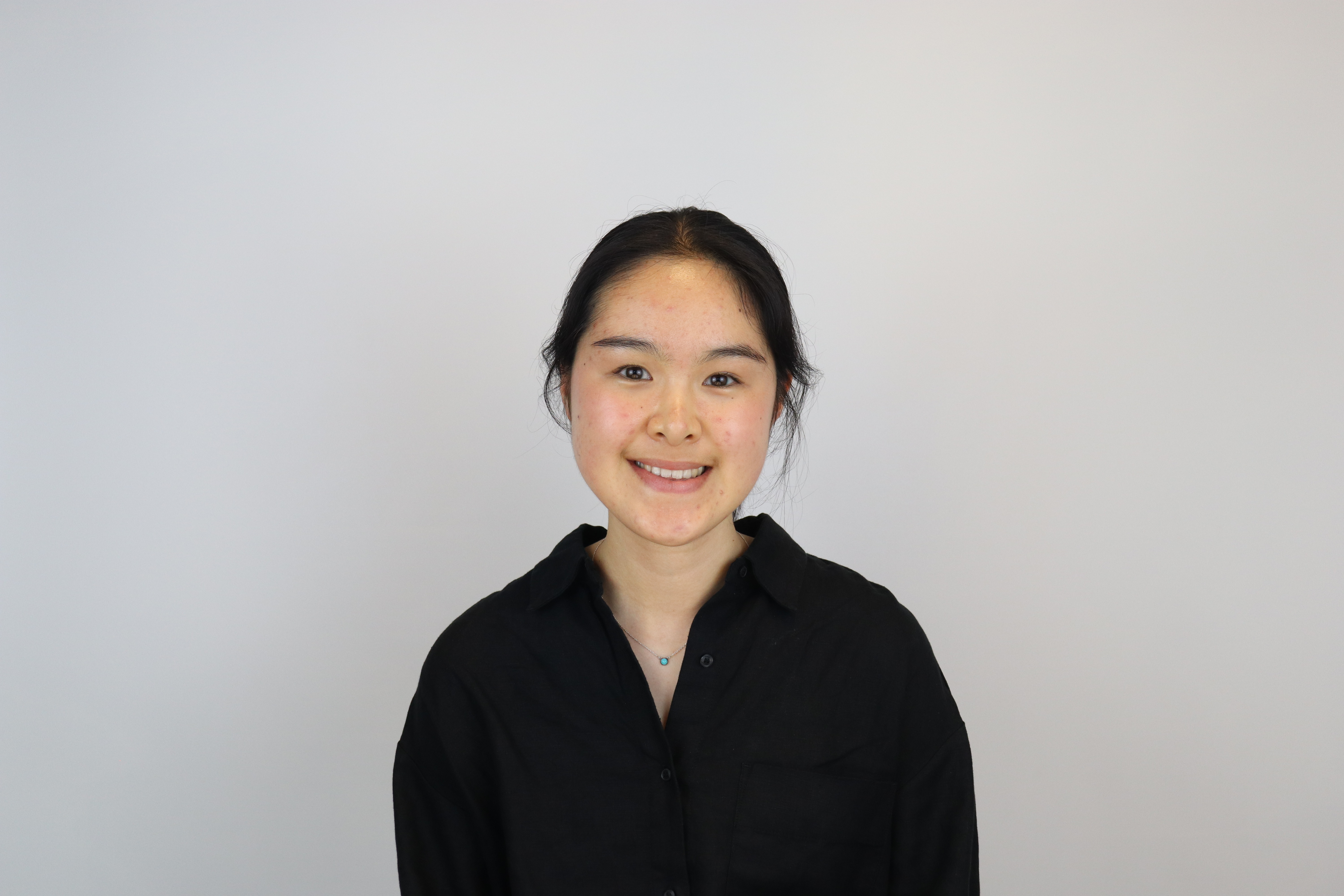
Franziska Reichmuth
Menstrual cycle, perinatal mental health, hormonal contraceptives, neurobiological effects of ovarian hormones
Ning (Nicole) Qian
Interpersonal relationships, lifespan development, women’s health
nicole.qian@student.unimelb.edu.auMia Benzie-Drayton
Join the Lab
If our research interests you, don’t be afraid to reach out and see if you might join our lab. We are always looking for colleagues with similar interests, and students who want to gain more experience in these topics. Twice a year, we recruit research interns to gain more experience in conducting research. Typically, there are only a small number of these positions, and we preference students with at least third or fourth year training in psychology or related fields. If you are interested, please send a recent CV and transcript to the Evolution Lab Director, Dr Khandis Blake (khandis.blake@unimelb.edu.au). If you are interested in completing a PhD in the Evolution Lab, please send a recent CV, transcript and writing sample to the Evolution Lab Director, Dr Khandis Blake. Also ensure you let Dr Blake know what your research interests are.
Collaborators
Dr Gulnaz Anjum, Institute of Business Administration, Pakistan
Dr Ruben Arslan, University of Leipzig
Professor Brock Bastian, University of Melbourne
Dr Rob Brooks, University of New South Wales
Dr Kathleen Casto, Kent State University
Dr Thomas Denson, University of New South Wales
Dr Barnaby Dixson, University of the Sunshine Coast
Dr Steven Gangestad, University of New Mexico
Associate Professor Scott Griffiths, University of Melbourne
Dr Sylvia Harmon-Jones (former Postdoc), University of Wollongong
Dr Auguste Harrington (former Postdoc), New York University Abu Dhabi
Dr Michael Kasumovic, University of New South Wales
Associate Professor Isabel Krug, University of Melbourne
Dr Tania Reynolds, The University of New Mexico
Dr Julia Stern, University of Bremen
Dr Stephen Whyte, Queensland University of Technology
Selected publications
We typically investigate ideologically divisive topics and try to understand how they are driven by biological and cultural forces. Below is a sample of some of our recent work. You can also find more of our work by viewing Dr Blake’s Google Scholar profile.
-
Blake, K. R., Wu, A., McGovern, H., & Brooks, R. (2023). Number of close kin but not gendered fitness interests shapes sex role attitudes. Adaptive Human Behavior and Physiology, 9, 37-53. https://doi.org/10.1007/s40750-022-00207-6
Luberti, F., Blake, K. R., & Brooks, R. (2022). Changes in positive affect due to popularity in an experimental dating context influence some of men’s, but not women’s, socio-political attitudes. Adaptive Human Behavior and Physiology, 8, 202-237. https://doi.org/10.1007/s40750-022-00188-6
Luberti., F., Blake., K. R., & Brooks., R., (2022). Widespread promiscuity and cheap weddings: Can “low-value" sexual relationships make certain individuals more sexually conservative?. Archives of Sexual Behavior, 51, 2791-2811. https://doi.org/10.1007/s10508-021-02216-0
Blake, K. R., Anjum, G., & Brooks, R. (2021). Family and gendered fitness interests effects on female stereotyping, attitudes toward female autonomy, and status-seeking in Pakistan. Adaptive Human Behavior and Physiology, 7, 382-402. https://doi.org/10.1007/s40750-021-00174-4
Kerry, N., Blake, K. R., Murray, D., & Brooks, R. (2021). Male descendant kin promote conservative views on gender issues and conformity. Evolutionary Human Sciences, 3, e34. https://doi.org/10.1017/ehs.2021.29
Brooks, R., & Blake, K. R. (2021). Gendered Fitness Interests: A proposal explaining how relatives affect socio-political attitudes and behaviours. Evolution & Human Behavior, 42(4), 295-303. https://doi.org/10.1016/j.evolhumbehav.2020.12.002
Luberti., F., Blake., K. R., & Brooks., R., (2020). Does the quality of mating competitors affect socio-political attitudes? An experimental test. Adaptive Human Behavior and Physiology, 6, 501-531. https://doi.org/10.1007/s40750-020-00151-3
Luberti, F., Blake, K. R., & Brooks, R. (2019). The effects of the mating market, sex, age, and income on socio-political orientation: Insights from Evolutionary Theory and Sexual Economics Theory. Human Nature, 31, 88-111. https://doi.org/10.1007/s12110-019-09361-5
Blake, K.R., Fourati, M., & Brooks., R. (2018). Who suppresses female sexuality? An examination of support for Islamic veiling in a secular Muslim democracy as a function of sex and offspring sex. Evolution & Human Behavior, 39(6), 632-638. https://doi.org/10.1016/j.evolhumbehav.2018.06.006
-
Weaving, M., Alshaabi, T., Arnold, M. V., Blake, K. R., Danforth, C. M., Dodds, P. S., Haslam, N., Fine, C. (2023). Misogyny as backlash: The trajectory of Twitter misogyny during Hillary Clinton’s 2016 election campaign. Scientific Reports, 13, 5266. https://doi.org/10.1038/s41598-023-31620-w
Blake, K. R. & Brooks, R. (2023). Societies should not ignore their incel problem. Trends in Cognitive Sciences, 27(2). https://doi.org/10.1016/j.tics.2022.11.007
Brooks, R., Russo-Batterham, D. & Blake, K. R. (2022). Incel activity on social media linked to local mating ecology. Psychological Science, 33(2), 249-258. https://doi.org/10.1177/09567976211036065
Blake, K. R., O’Dean, S., Lian, J., & Denson, T. (2021). Misogynistic tweets correlate with and prospectively predict domestic violence incidents over time. Psychological Science, 32(3), 315-325. https://doi.org/10.1177/0956797620968529
Blake, K. R., & Brooks, R. (2018). High mate value men become more accepting of intimate partner abuse when primed with gender equality. Frontiers in Sociology, 3:28. https://doi.org/10.3389/fsoc.2018.00028
Blake, K. R., Bastian, B., & Denson, T. (2017). Heightened male aggression toward sexualized women following romantic rejection: The mediating role of sex goal activation. Aggressive Behavior, 44, 40–49. https://doi.org/10.1002/ab.21722
Blake, K. R., Hopkins, R., Sprunger, J., Eckhardt, C. I., & Denson, T. (2017). Relationship quality and cognitive reappraisal moderate the effect of negative urgency on intimate partner violence. Psychology of Violence. 8, 218–228. https://doi.org/10.1037/vio0000121
Blake, K. R. & Denson, T (2017). Contexts for men’s aggression against men. In T. K. Shackelford & V. A. Weekes-Shackelford (eds.), Encyclopedia of evolutionary psychological science. Springer Nature. https://doi.org/10.1007/978-3-319-16999-6_862-1
-
Murphy, M., Phillips, C., Blake, K. R. (2024). Why women cheat: Testing evolutionary hypotheses for female infidelity in a multinational sample. Evolution and Human Behavior, 45(5), 106595. https://doi.org/10.1016/j.evolhumbehav.2024.106595
Luberti, F., Blake, K. R., & Brooks, R. (2023). Evolutionary ecological insights into the suppression of female sexuality. Current Research in Ecological and Social Psychology, 5, 100167. https://doi.org/10.1016/j.cresp.2023.100167
Blake, K. R. (2022). When fertile, women seek status via prestige but not dominance. Proceedings of the National Academy of Sciences, 119(46), e2205451119. https://doi.org/10.1073/pnas.2205451119
Brooks, R., & Blake, K. R. (2022). Sex-dependent selection, ageing, and implications for “staying alive” [commentary]. Behavioral and Brain Sciences, 45, e132. https://doi.org/10.1017/S0140525X2200053X
Blake, K. R. (2021). Attractiveness helps women secure mates, but also status and reproductively relevant resources. Archives of Sexual Behavior, 51, 39-41. https://doi.org/10.1007/s10508-021-01949-2
Blake, K. R. & Brooks, R. (2019). Status anxiety mediates the positive relationship between income inequality and female sexualization. Proceedings of the National Academy of Sciences. 116(50), 25029–25033. https://doi.org/10.1073/pnas.1909806116
Blake, K. R., Bastian, B., Denson, T., Grosjean, P., & Brooks, R. (2018). Income inequality not gender inequality positively covaries with female sexualization on social media. Proceedings of the National Academy of Sciences, 115(35), 8722-8727. https://doi.org/10.1073/pnas.1717959115Denson, T., O’Dean, S., Blake, K. R., & Beames, J. (2018). Aggression in women: Behavior, brain, and hormones. Frontiers in Behavioral Neuroscience, 12:81. https://doi.org/10.3389/fnbeh.2018.00081
Brooks, R., Blake, K. R., Fromhage, L. (2022). Effects of gender inequality and wealth inequality on within-sex mating competition under hypergyny. Evolution and Human Behavior, 43(6), 501-509. https://doi.org/10.1016/j.evolhumbehav.2022.08.006
Wang, X., Chen, H., & Blake, K. R. (2024). Men (but not women) prefer not to live in economically unequal areas when it comes to mating: A 5 study investigation. Evolution and Human Behavior, 45(6), 106633. https://doi.org/10.1016/j.evolhumbehav.2024.106633
Blake., K. R., & Brooks., R. (2019). Income inequality and its implications for gendered conflict. In J. Jetten & K. Peters (eds.), The social psychology of income inequality, Springer. https://doi.org/10.1007/978-3-030-28856-3_11
-
Bonell, S., Klebl, C., Blake, K. R., & Griffiths, S. (2023). How intrasexual competitiveness shapes attitudes towards cosmetic surgery recipients. Evolutionary Human Sciences, 5, e30. https://doi.org/10.1017/ehs.2023.26
Blake, K. R., Portingale, J., Giles, S., Griffiths, S., Krug, I. (2022). Dating app usage and motivations for dating app usage are associated with increased disordered eating. Journal of Eating Disorders, 10(1), 186–195. https://doi.org/10.1186/s40337-022-00693-9
Griffith, S., Cowley-Court, T., Austen, E., Russo-Batterham, D., & Blake, K. R. (2022). "Spring is the best time to lose weight”: Evidence that dieting is seasonal and reaches peak intensity during Spring. Body Image, 41, 406-416. https://doi.org/10.1016/j.bodyim.2022.04.011
Kellie, D., Blake, K. R., & Brooks, R. (2021). Behind the makeup: The effects of cosmetics on women’s self-objectification, and their objectification by others. European Journal of Social Psychology, 51(4-5), 703-721. https://doi.org/10.1002/ejsp.2767
Griffith, S., Austen, E., Krug, I., & Blake, K. R. (2021). Beach body ready? Shredding for summer? A first look at “Seasonal Body Image”. Body Image, 37, 269-291. https://doi.org/10.1016/j.bodyim.2021.03.004
Krug, I., Selvarajaa, P, Fuller-Tyszkiewicz, M., Hughes, E, Slater, A., Griffiths, S., Yee, Z. W., Richardson, B., & Blake, K. R. (2020). The effects of Fitspiration images on body attributes, mood and eating behaviors: An experimental daily monitoring study in females. Body Image, 35, 279-287. https://doi.org/10.1016/j.bodyim.2020.09.011
Krug, I., Yee, Z., Griffiths, S., Fuller-Tyszkiewicz, M., Blake, K. R., & Richardson, S. (2020). The differential impact of viewing fitspiration and thinspiration images on male body image: An experimental ecological momentary assessment study. Body Image, 35, 96-107. https://doi.org/10.1016/j.bodyim.2020.08.008
Arthur, L., Brooks, R. & Blake, K. R. (2020). Female self-sexualization covaries with mate value but not mate availability. Adaptive Human Behavior and Physiology, 6, 277-291. https://www.doi.org/10.1007/s40750-020-00133-5
Blake, K. R., Brooks, R., Arthur, L., & Denson, T. (2020). In the context of romantic attraction, beautification can increase assertiveness in women. PLoS One. 15(3): e0229162. https://doi.org/10.1371/journal.pone.0229162
Kellie, D., Blake, K. R., & Brooks, R. (2019). What drives female objectification? An investigation of appearance-based interpersonal perceptions and the objectification of women. PLoS One, 14(8), e0221388. https://doi.org/10.1371/journal.pone.0221388
Blake, K. R., Bastian, B., & Denson, T. (2016). Perceptions of low agency and high sexual openness mediate the relationship between sexualization and sexual aggression. Aggressive Behavior, 42, 483–97. https://doi.org/10.1002/ab.21644
-
Stern, J., Koval, P., & Blake, K. R. (2025). Patterns in affect and personality states across the menstrual cycle. Journal of Personality and Social Psychology, Advance online publication. https://doi.org/10.1037/pspp0000538
Arthur, L., Bastian, B., & Blake, K. R. (2024). Hormonal contraceptive use, not menstrual cycle phase, is associated with reduced interest in competition. Evolution and Human Behavior, 45, 106616. https://doi.org/10.1016/j.evolhumbehav.2024.106616
Casto, K., Arthur, L., Lynch-Wells, S., & Blake, K. R. (2023). Women in their mid-follicular phase outcompete hormonal contraceptive users, an effect partially explained by relatively greater progesterone and cortisol reactivity to competition. Psychoneuroendocrinology, 157, 106367. https://doi.org/10.1016/j.psyneuen.2023.106367
Arslan, R., Blake. K. R., … Stern. J. (2023). Not within spitting distance: Salivary immunoassays of estradiol have subpar validity for cycle phase. Psychoneuroendocrinology, 149. https://doi.org/10.1016/j.psyneuen.2022.105994
Arthur, L., Casto, K., & Blake, K. R. (2022). Hormonal contraceptives as disruptors of competitive behavior: Theoretical framing and review. Frontiers in Neuroendocrinology, 66, 101015. https://doi.org/10.1016/j.yfrne.2022.101015
Blake, K. R., McCartney, M., & Arslan. R. (2022). Menstrual cycle and hormonal contraception effects on self-efficacy, assertiveness, regulatory focus, optimism, impulsiveness, and risk-taking. Journal of Experimental Social Psychology, 103, 104382. https://doi.org/10.1016/j.jesp.2022.104382
Arthur, L., & Blake, K. R. (2022). Fertility predicts self-development-oriented competitiveness in naturally cycling women but not hormonal contraceptive users. Adaptive Human Behavior and Physiology, 8, 489-519. https://doi.org/10.1007/s40750-022-00198-4
Blake, K. R. (2018). Resolving speculations of methodological inadequacies in the standardized protocol for characterizing women’s fertility: Comment on Lobmaier and Bachofner (2018). Hormones and Behavior, 106, A4-A6. https://doi.org/10.1016/j.yhbeh.2018.05.022
Dixson B., Blake, K. R., Denson, T. F., Gouda-Vossos, A., Sulikowski, D., Rantala, M. J., & Brooks, R. C. (2018). The role of mating context and fecundability in women’s preferences for men’s facial masculinity and beardedness. Psychoneuroendocrinology, 93, 90–102. https://doi.org/10.1016/j.psyneuen.2018.04.007
Dixson, B., Lee, A., Blake, K. R., Jasienska, G., & Marcinkowska, U. (2018). Women’s preferences for men’s beards do not change with their likelihood of conception. Hormones and Behavior, 97, 137–44. https://doi.org/10.1016/j.yhbeh.2017.11.006
Blake, K. R., Dixson, B., O'Dean, S., & Denson, T. (2017). No compelling positive association between ovarian hormones and wearing red clothing when using multinomial analyses. Hormones and Behavior, 90, 129–135. https://doi.org/10.1016/j.yhbeh.2017.03.005
Blake, K. R., Bastian, B., O'Dean, S., & Denson, T. (2016). High estradiol and low progesterone positively predict assertiveness in women. Psychoneuroendocrinology, 75, 91–99. https://doi.org/10.1016/j.psyneuen.2016.10.008
Blake, K.R., Dixson, B., O'Dean, S., & Denson, T. (2016). Standardized protocols for characterizing women’s fertility: A data-driven approach. Hormones and Behavior, 81, 74–83. https://doi.org/10.1016/j.yhbeh.2016.03.004
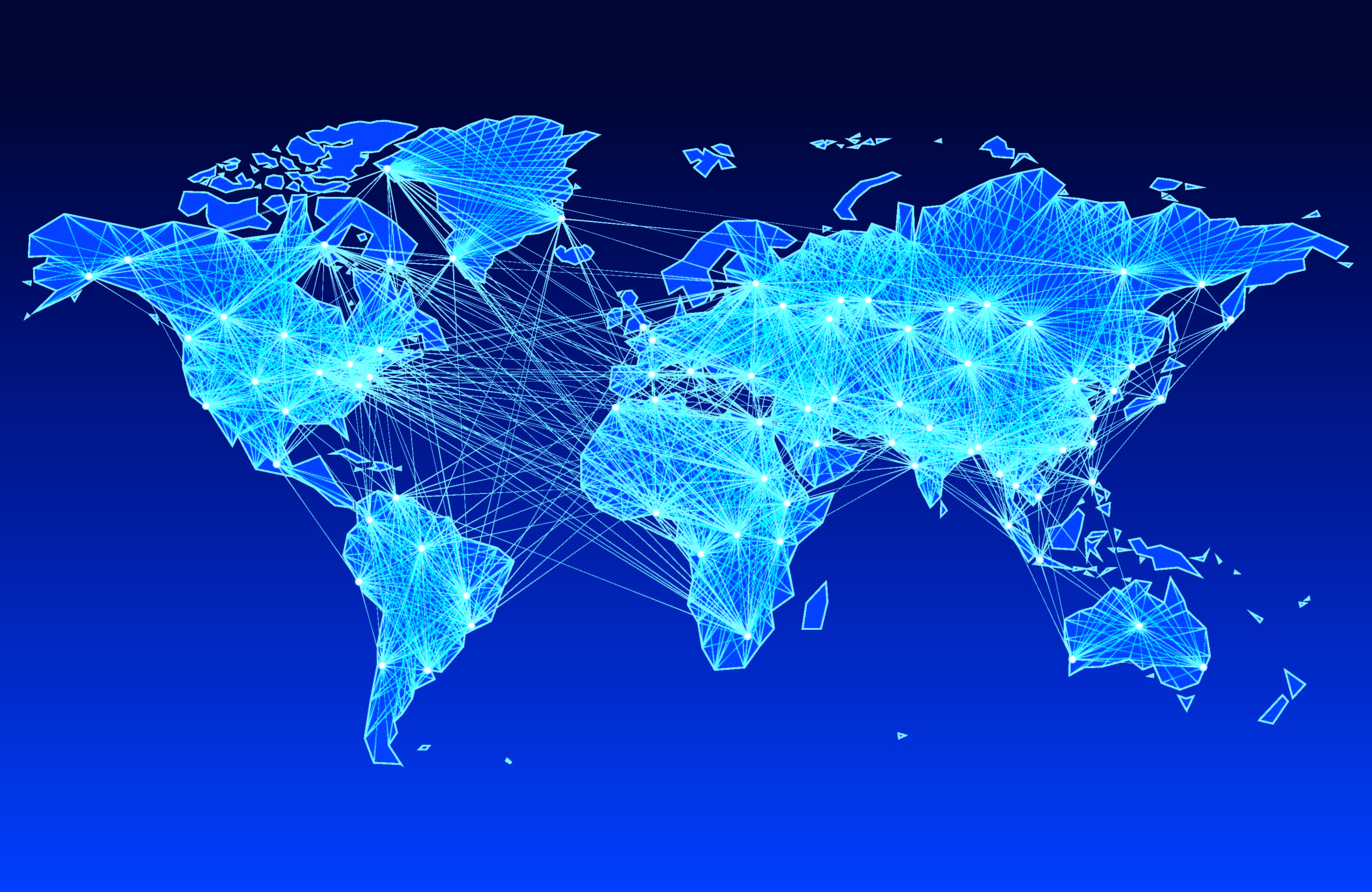
What is TwitPlat?
TwitPlat is a searchable database of 2.2 billion geolocated twitter posts spanning 10 years. We conceived, developed and now maintain TwitPlat for research purposes, and we allow other reseachers to access it, too. What sets Twitplat apart is the sheer size of data availability. Adding to this strength, all posts are geolocated to very fine granularity using an algorithm we developed. This algorithm allows us to see variation in cultural ideology across time and place, gaining valuable insights into important predictors of behaviour and attitudes. To access Twitplat or find out more, click here.
The Daily Cycle Diary
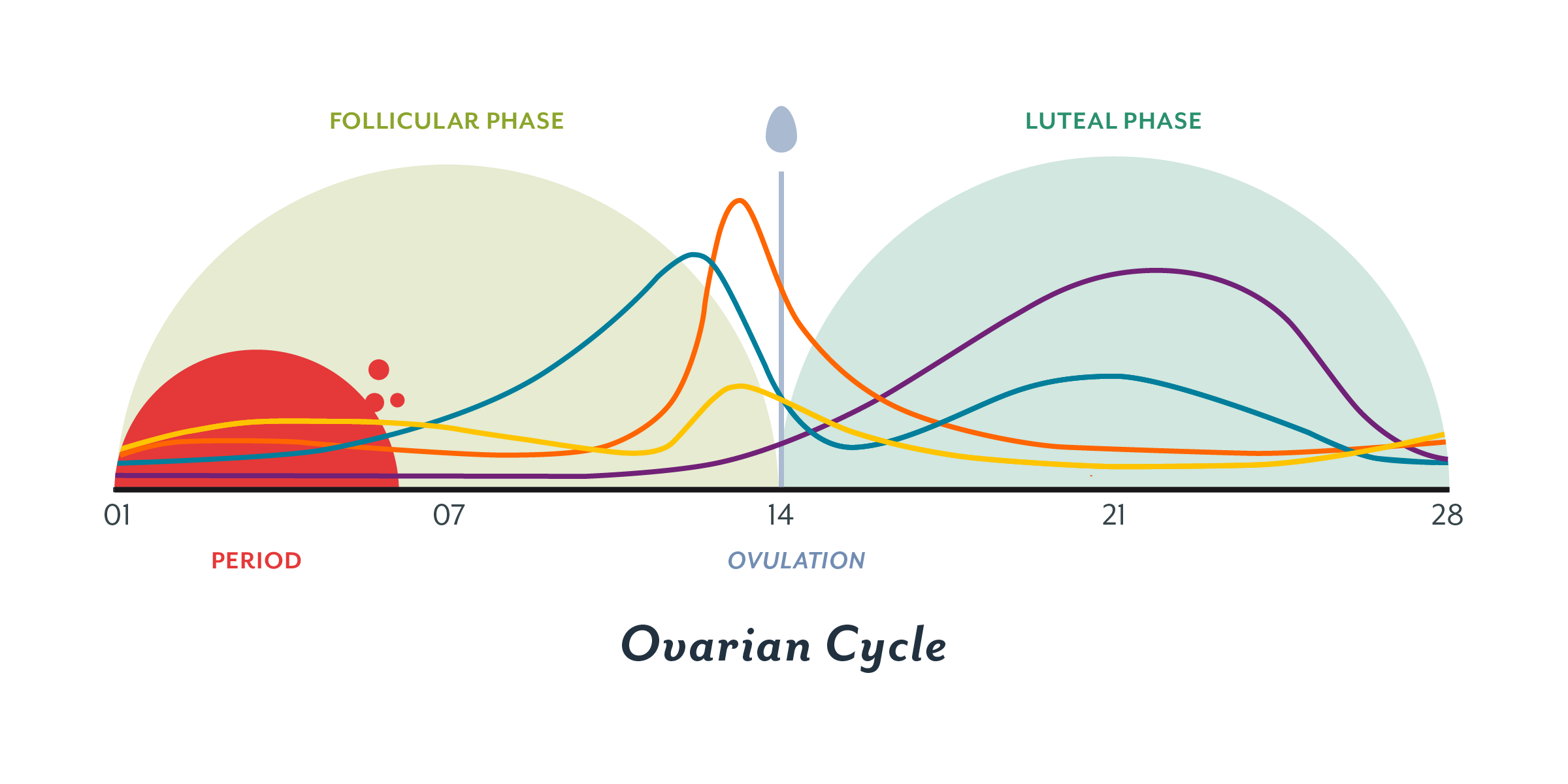
Here at the Evolution Lab, we think knowledge is power. That’s why we developed and now run The Daily Cycle Diary, a citizen science project investigating the effects of the menstrual cycle on women’s psychology and and health. Our online platform allows women to track their menstrual cycles, understand how their cycle affects them, share their results with medical professionals, and compare their patterns to other women worldwide – all entirely for free. To access The Daily Cycle Diary or find out more, click here.
Image from The Menstrual Cycle at Hello Clue.
Featured content
Lab Contact Details
Address:
The Evolution Lab
Redmond Barry Building
Tin Alley, The University of Melbourne
Parkville, 3010, VIC, Australia