PsychTalks: Season 3
PsychTalks: Season 3
Can gender inequities in household labour affect sexual desire? How does neuroscience affect how we learn? And what exactly is going on inside a teenager's brain?
Our third season of the PsychTalks podcast is here! Our hosts Associate Professor Cassie Hayward and Professor Nick Haslam are back for another series of inspiring conversations with our brilliant experts as they unpack the psychology behind today’s biggest topics – from the latest in PTSD research and treatment, to the fascinating world of secrets.

S3E8: Why do we keep secrets?
Unlock the psychological reasons behind why we hold onto secrets. Associate Professor Katie Greenaway and Valentina Bianchi explore the emotional costs and benefits of keeping secrets. Discover who we often confide in and hear a clinical psychologist’s perspective on being a professional secret-keeper.
- Featuring Associate Professor Katie Greenaway, Co-Director of FEEL Lab, and Dr Valentina Bianchi, Postdoctoral Researcher.
- Take this survey at keepingsecrets.org to compare your secrets with others.
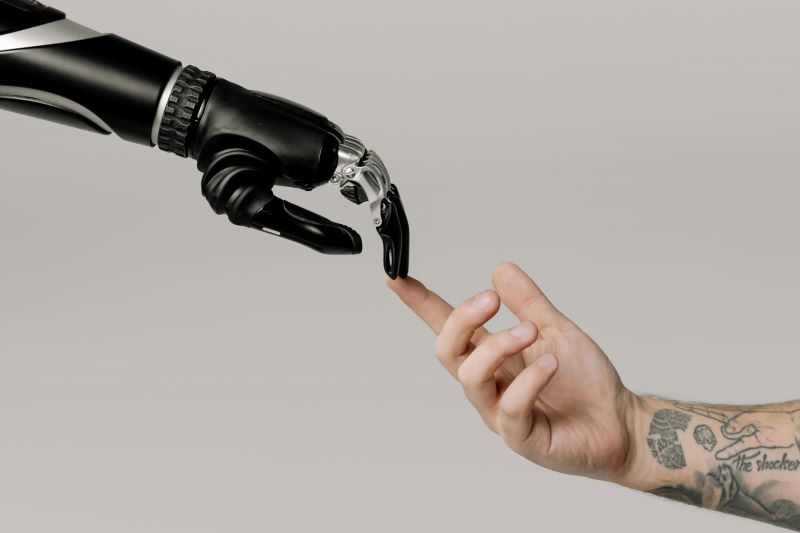
S3E7: Can bots improve our mental health?
Discover how the AI revolution is entering the world of psychology and clinical practice. Professor Simon Dennis shares his quest to craft AI-driven tools for therapy. Can bots help address the shortage of mental health professionals by providing affordable, 24/7 support? And what are the ethical, practical and philosophical questions behind using therapist bots as part of therapy treatment?
- Featuring Professor Simon Dennis, Director of the Complex Human Data Hub.
- Find out more about Simon's AI-driven cognitive behavioural therapy tools.
Please be advised that this episode discusses suicide and suicide ideation.

S3E6: Could cognitive neuroscience influence how we teach and learn?
Do 'brain-training' apps or mindfulness exercises really boost our capacity to learn? Professor Iroise Dumontheil shares her research into why we differ in our ability to control our attention, thoughts and behaviour. Hear how these differences impact on our learning and whether cognitive training enhances outcomes in education. Discover how insights from cognitive neuroscience might reshape the future of education by enabling personalised learning.
- Featuring Professor Iroise Dumontheil, ARC Future Fellow.
S3E5: Sleep and pain: What's keeping you up at night?
Managing pain can be part of life for many of us. Professor Amy Jordan and Associate Professor Natalia Brumley unlock the intriguing relationship between sleep and pain. Find out how different types of pain affect sleep quality, if gender is a factor, and in what ways exercise, blue light and social media consumption might have an impact.
Featuring:
- Professor Amy Jordan, Director of the Sleep Laboratory and Honorary Fellow at the Institute for Breathing and Sleep, Austin Health
- Associate Professor Natalia Brumley, Director of the Pain and Cognition Neuroimaging Laboratory.


S3E4: Can we improve PTSD treatments?
PTSD is the second most common mental health disorder. Current treatments work for about half of those affected, but are there better options? Professor Kim Felmingham breaks down exposure therapy and explores if pharmacological-based interventions such as MDMA/ecstasy are really the answer. Plus find out what her studies on exercise reveal about this promising potential line of treatment.
- Featuring Professor Kim Felmingham, Chair in Clinical Psychology.
- Visit the Phoenix Australia website for more information about PTSD and current research trials.
S3E3: Are household inequities ruining your sex life?
Studies show there is still a significant gender imbalance in taking on domestic chores and managing a home in most heterosexual relationships. But can this divide also dampen things in bedroom? Dr Emily Harris discusses why women usually take on more, the structural barriers to change and practical strategies for couples.
- Featuring Dr Emily Harris, Research Fellow in the Physical Appearance Research Team (PART).
- To find out more about her research, visit Emily's website.


S3E2: How do teenage brains work?
Explore the fascinating world of adolescent brain development and inhibition with Dr Sarah Tashjian. Find out how different parts of the brain mature during adolescence, the crucial role of sleep and the surprising science behind how teens make decisions. Get science-backed tips on how best to talk to teens about risky behaviours and challenges in their formative years.
- Featuring Dr Sarah Tashjian, Director of the Affective Neuroscience and Development Lab.
- For recommendations on teens use of social media, check out the American Psychological Association’s Health Advisory on Social Media Use in Adolescence.
S3E1: What do athletes need for good mental health?
Excitement is building for the upcoming 2024 Olympic Games – but how do its elite competitors cope with the stress of performing with the eyes of the world upon them? In this special episode launching Series 3 of PsychTalks, we unpack Dr Courtney Walton's latest research into athletes’ mental health. Hear about the strides being made in the professional care of our sporting stars and how best to support your kid in sport.
- Featuring Dr Courtney Walton, Research Fellow.

Acknowledgements
Thank you to our fantastic production team, who helped create the PsychTalks: Modern life explored by psychology experts podcast.
Season 3
- Hosts: Cassie Hayward and Nick Haslam
- Writer and producer: Carly Godden
- Assistant producers: Mairéad Murray and Gemma Papprill
- Sound engineers: Elise Bradshaw (episode 1) and Jack Palmer
- Music composer: Chris Falk